The calls from parents are not always about football.
Sometimes, a coach will hear from a parent about a player’s behaviour at home: whether he has been helping with chores, washing the dishes, or simply doing what is expected of him as a young man.
Working with young athletes naturally means building relationships with their families and guardians. A support network is already invested in a boy’s wellbeing long before he joins an academy. As we have come to discover, those relationships evolve alongside the realities of youth football development in Kenya.
One of our core values is mentorship grounded in Christian principles. This shapes how our training partners with families to serve as a steady, positive force in our players’ lives, recognising that a young person’s readiness to compete extends beyond what happens on the pitch.
Sometimes that support means daily meals. Sometimes it means working with a family to find a birth certificate that was never acquired. In other cases, it means a coach becoming another trusted adult who can reinforce the standards a player is expected to meet at home.
The specific need differs from player to player. The principle remains the same: football development cannot be separated from the circumstances in which a young person lives, learns and grows.
A Shared Responsibility
Youth football academies are structured around developing players over time, rather than simply preparing them for the next match. Technical ability and tactical understanding are obvious parts of that process, but so are physical development, discipline, decision-making, confidence and the ability to balance football with the rest of life.
How that balance is achieved depends heavily on the environment.
Some academy systems combine football and education within the same institution, while others operate alongside a player’s existing school. Some are residential; others remain closely connected to the player’s family and home.
In Kenya, these models exist alongside a school system and family structures that can look very different from the residential or integrated academy environments found elsewhere. The result is that player development often requires coordination between the football academy, the school and the family rather than being contained within one institution.
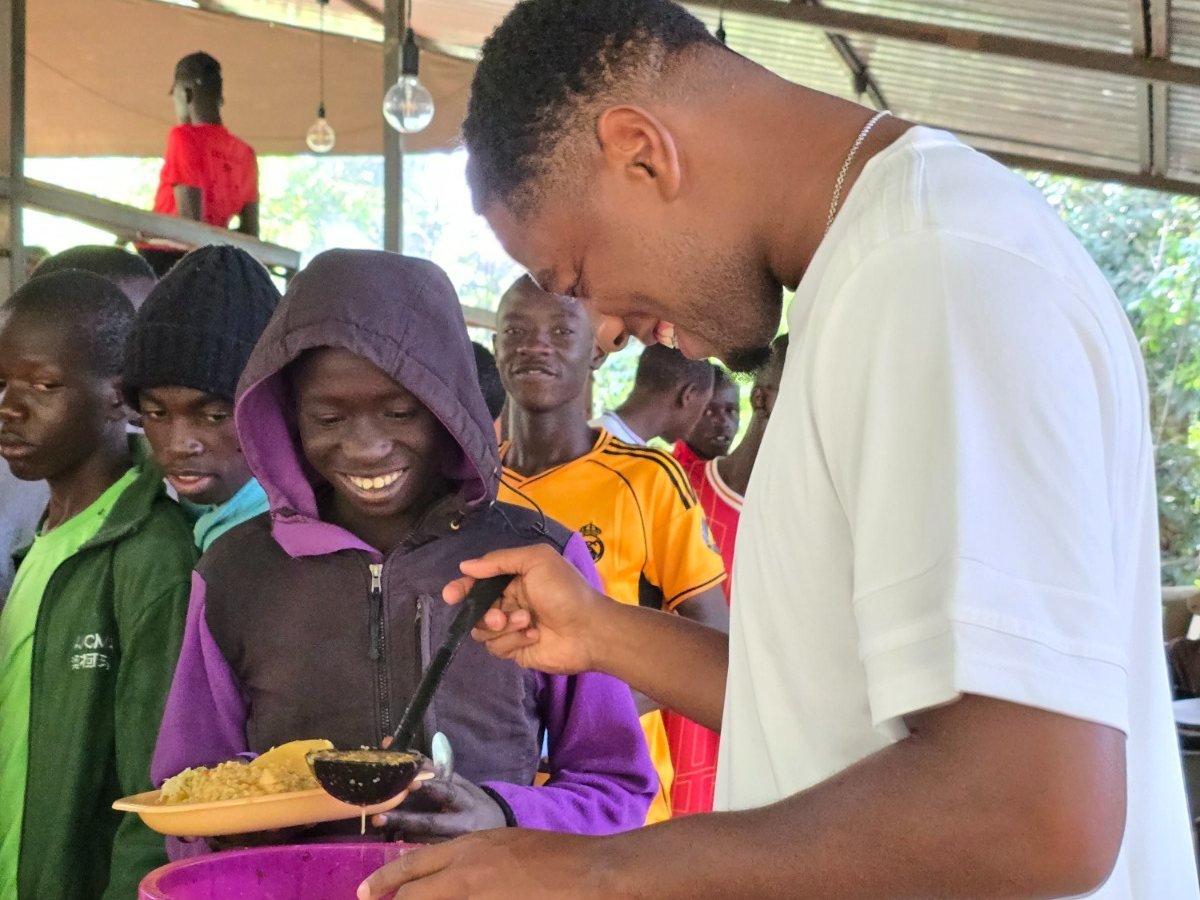
For Kisasa, that has meant paying attention to the things that can affect a player’s ability to train, compete and progress. In two cases, this has meant organising cooked meals twice a day to support the boys’ physical wellbeing alongside their athletic development.
The meals programme started in April after visiting the players’ homes and realising that some of them could go to school without having eaten anything. Then, in the afternoon, they could show up for training. Kisasa FC provides meals five days a week. On every training day, we provide meals after the session. On match days, we provide meals before and after the match. The reaction from these families has stayed with us. For some parents, receiving this support for their sons has been deeply moving, with a few expressing that what Kisasa is doing feels like “too much.”
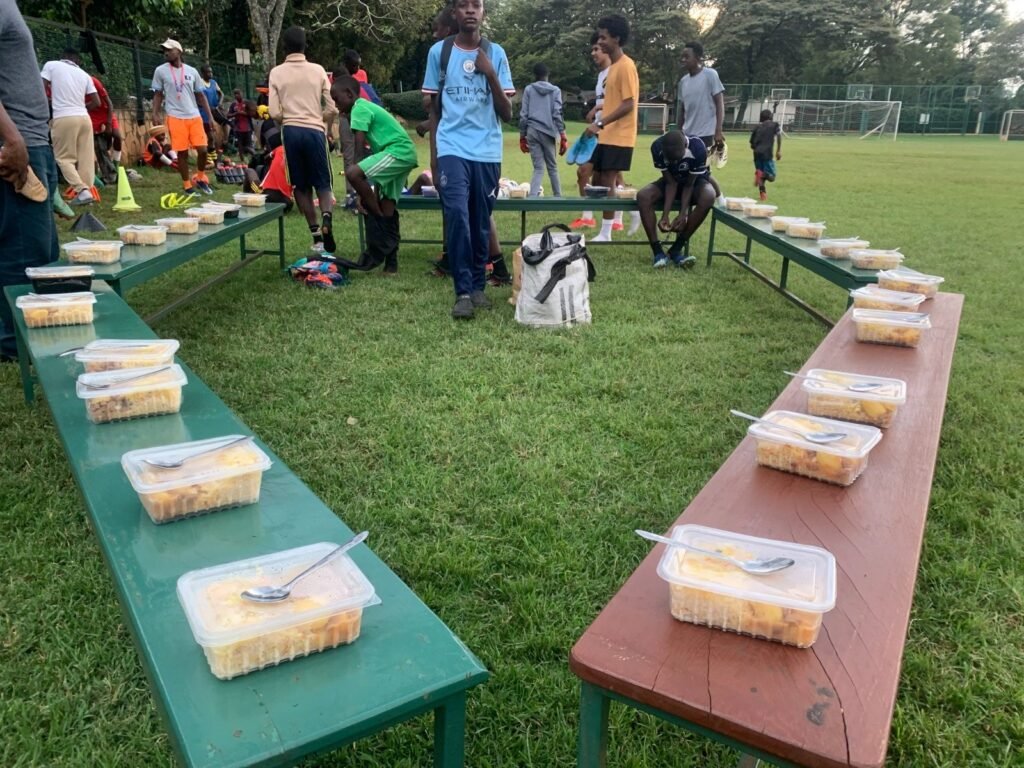
To our surprise, the meals programme became one of the biggest highlights for many parents. We received many comments from parents, but there was one that stood out. Apparently, one father had become frustrated with his son’s eating habits whenever he went for training or matches before joining Kisasa FC. According to the father, the boy could eat a lot. He was so frustrated that he was even considering stopping him from playing football.
After the boy’s experience at Kisasa, he went home one day and told his parents that he had already had enough food and would not be having dinner with them. The father called one of the coaches to confirm whether his son was seriously injured or sick. Apparently, it was difficult for them to believe. The father’s response captured just how much the experience had changed his view of Kisasa: his son belonged to Kisasa FC and no other club.
But the significance of the arrangement is not simply that two players are receiving meals. It is that a need outside the football programme can directly affect what happens within it. A young athlete who is hungry, struggling to keep up with school, or dealing with an unresolved personal challenge does not leave those circumstances at the gate when training begins. Supporting the player therefore sometimes means addressing the conditions around the player as well.
This is part of what we have come to understand about our role. Football remains the driving force, but it can also be a vehicle through which young people access structure, mentorship and opportunities that extend beyond the sport.
The relationship flows both ways.
The more involved Kisasa becomes in the daily reality of these boys, the more families view the club as a genuine partner in raising them. When a parent calls a coach to report that a player is slacking on his household chores, it is not a distraction from football. It is evidence of a relationship that has moved beyond the training ground.
Our focus is football, but parents are not only asking us to sharpen their sons’ technical skills. They are also asking us to reinforce the standards expected of them at home.
To us, Kisasa FC is not just a football club where players come to play and go. Kisasa FC is shaping the entire ecosystem of our players. All our players have their local coaches. But when a parent calls us to report any misconduct by their son, it means they understand what Kisasa FC believes and stands for. Football brought us together, but our relationships with these boys and their families are beyond football.
That is where mentorship becomes practical. It is not only something discussed during a team talk. It can mean helping a player understand that discipline applies when the ball is at his feet, but also when there is work to be done at home.
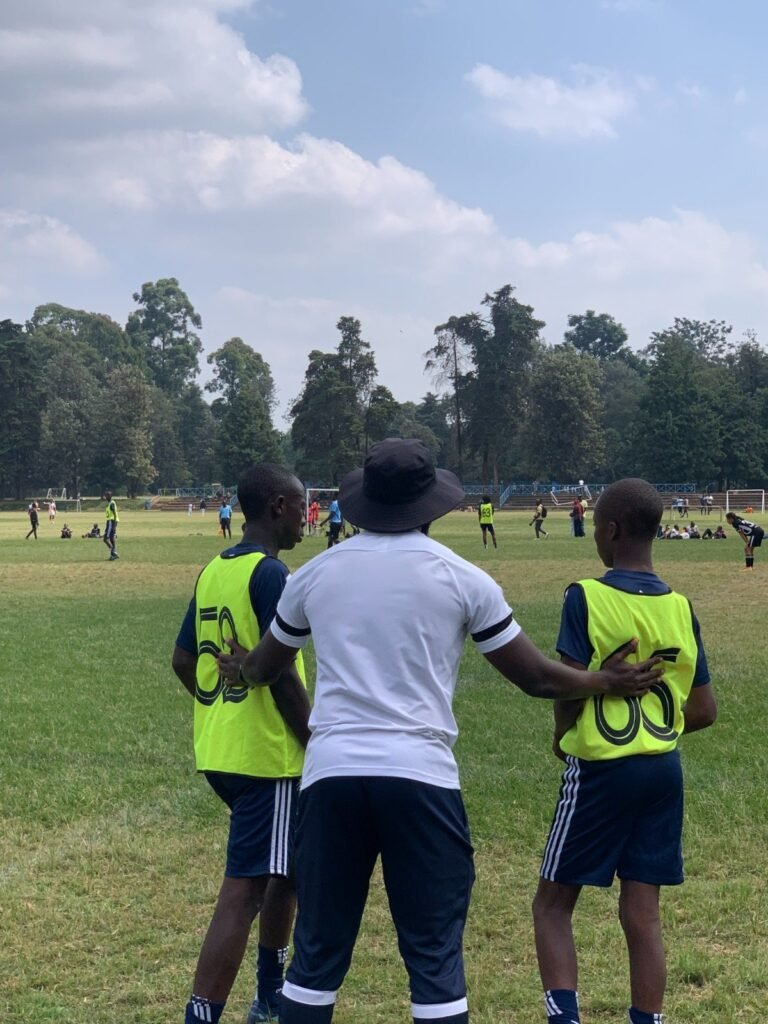
Beyond the Pitch
At the end of the day, a young athlete needs the conditions to learn, compete and grow. Individual performance is therefore connected to personal wellbeing.
This does not mean that an academy can solve every challenge a young person faces. It means recognising the challenges that can affect development and working with the people already responsible for the player’s welfare to address them where possible.
That distinction matters.
For a growing academy, this kind of support comes with practical demands: meals have to be organised, families have to be communicated with, school and home commitments have to be understood, and coaches have to remain focused on the football itself.
The work is also consistent with a wider principle in youth development: the aim is not simply to produce a player who can perform on match day, but to help a young person develop the discipline, resilience, teamwork and responsibility that remain valuable beyond football.
For Kisasa, our Christian foundation gives that principle a particular meaning. We understand mentorship as part of our responsibility to serve the young people entrusted to us and to work alongside their families. When families trust coaches enough to involve them in the everyday routines of their homes, the club becomes part of a much wider village. This is, perhaps, also very African of us.
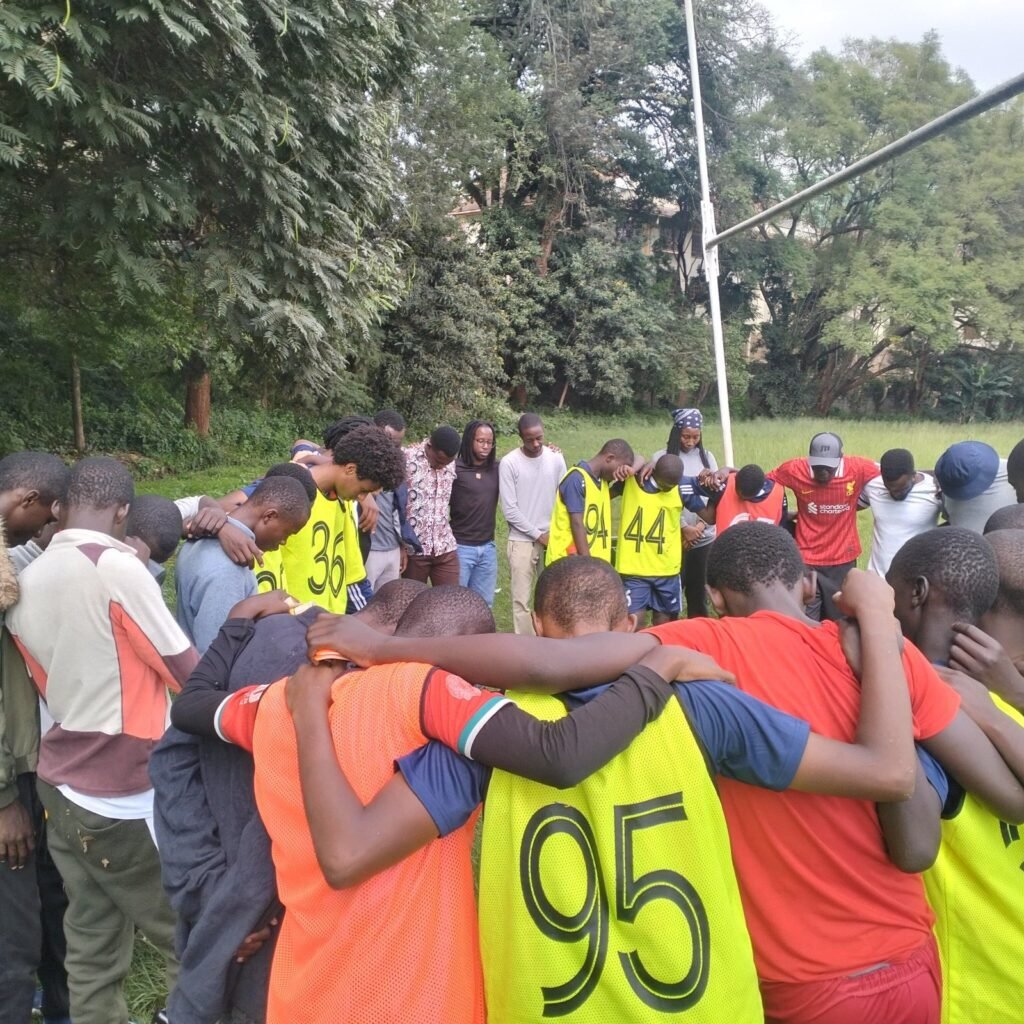
The pitch remains central, but it is no longer the only place where development happens. A training session can build discipline. A match can build resilience. A coach can teach a player how to handle pressure under the floodlights. Often, however, meaningful growth is far less dramatic.
It looks like eating a proper meal before stepping onto the field.
It looks like a parent knowing that another trusted adult is reinforcing the values they are teaching at home.
It looks like helping a family resolve a practical barrier that might otherwise stand in the way of a player’s progress.
And it looks like a player understanding that the standards expected of him at Kisasa apply at the kitchen sink, too.
Our Broader Purpose
Kisasa FC is still developing, and this first season has helped define the kind of institution we want to be. Developing skilled football players will always be a priority. But player development is not measured only by what happens on match day. It is also reflected in whether young athletes are learning to take responsibility, remain committed to their education and relationships, and carry the lessons of football into other parts of their lives.
That means listening to our players, working with their families, supporting them where we can, and recognising that each player may require something different from the academy around him. The relationships built this season have shown us that a football academy can become part of something larger than the sport itself. Not because football is less important, but because for a young player, football exists within a much bigger life. At Kisasa, we are learning to develop the athlete while supporting the person, and to do that work alongside the families who have been there from the beginning.
In Kenya, the challenges facing a young footballer will not always look the same as those facing a player in a European academy. The structures may differ. The resources may differ. The circumstances at home may differ. But the underlying task remains familiar: give a young person the conditions, guidance and support to develop.
At Kisasa FC, we are learning what that responsibility looks like, one player at a time.